Pet owners often focus on feeding the right food, scheduling annual vaccines, and providing plenty of exercise. However, one of the most overlooked aspects of pet health is daily dental care. According to veterinary dental specialists, the majority of dogs and cats show signs of periodontal disease by the age of three. The good news is that a consistent at-home dental routine can dramatically reduce plaque, prevent painful infections, and even extend your pet’s lifespan. This guide will walk you through everything you need to know about building a practical, effective pet dental care daily routine for both dogs and cats.
Daily dental care is not just about fresh breath. The mouth is the gateway to the rest of the body. When bacteria accumulate along the gumline, they can enter the bloodstream and affect the heart, kidneys, and liver. By dedicating just a few minutes each day to your pet’s oral hygiene, you are making a long-term investment in their overall wellness. Whether you have a cooperative Labrador or a strong-willed Persian cat, the steps below can be adapted to fit your pet’s temperament and your schedule.
This article covers the science behind pet dental disease, the core elements of a daily routine, step-by-step brushing instructions, product recommendations, and specific advice for dogs and cats. You will also learn how to spot early warning signs of dental problems and separate fact from fiction when it comes to pet oral care.
Why Daily Pet Dental Care Matters
Plaque, a sticky film of bacteria, begins forming on your pet’s teeth within hours after eating. If not removed, it hardens into tartar within 24 to 48 hours. Once tartar forms, it cannot be brushed away at home; it requires professional scaling under anesthesia. Daily brushing disrupts plaque before it has a chance to mineralize into tartar, making it the single most effective tool in preventing periodontal disease.
Periodontal disease affects more than just the teeth. It causes inflammation of the gums, destruction of the supporting structures of the teeth, and eventually tooth loss. The bacteria responsible for dental disease can travel through the blood to vital organs. Studies have linked periodontal disease in pets to conditions such as endocarditis, kidney disease, and liver dysfunction. In short, a clean mouth supports a healthier body.
Many pet parents wait until they notice bad breath or visible tartar before addressing dental health. Unfortunately, by that point, the disease is often already established. A proactive daily routine is far easier, less expensive, and less stressful for your pet than repeated dental cleanings or extractions. The goal is not perfection every single day, but consistency. Even if you miss a day here and there, a regular routine will still provide significant benefits.
The Core Components of a Daily Pet Dental Routine
An effective daily dental care plan combines several strategies that work together to reduce plaque and maintain gum health. Tooth brushing is the gold standard, but it should be complemented by other methods, especially for pets that are initially resistant to brushing. Here are the key elements:
1. Tooth Brushing – The Gold Standard
Brushing your pet’s teeth with a pet-specific enzymatic toothpaste is the most effective way to remove plaque. The mechanical action of the bristles disrupts the bacterial film, while the enzymes in the toothpaste help break down plaque. Never use human toothpaste, as it often contains fluoride and xylitol, which are toxic to pets. Most pet toothpastes come in flavors like poultry, beef, or malt, making the experience more enjoyable for your pet.
2. Dental Wipes and Rinses
For pets that absolutely refuse a toothbrush, dental wipes can be a useful alternative. These textured wipes allow you to rub plaque off the teeth with your finger. While not as effective as a brush, they still provide mechanical cleaning. Dental rinses and gels can also be applied to the gumline to reduce bacteria and freshen breath. These products are especially helpful for cats who may never fully accept a brush.
3. Dental Chews and Treats
Daily dental chews are a valuable supplement to brushing. Chewing stimulates saliva production, which naturally helps wash away food particles and neutralize acids. Many dental chews have a slightly abrasive texture that helps scrub teeth as your pet gnaws. Look for products approved by the Veterinary Oral Health Council (VOHC). While chews should not replace brushing, they can significantly reduce plaque between brushing sessions.
4. Water Additives and Dental Diets
Water additives are easy to use and can help control bacteria in the mouth every time your pet drinks. They are not a substitute for brushing, but they are a convenient addition to a daily routine. Prescription dental diets use specially designed kibble that resists crumbling and provides a gentle abrasive action on the teeth. Talk to your veterinarian before switching to a dental diet, especially if your pet has other health concerns.
5. Daily Oral Inspections
Part of a solid dental routine is simply looking inside your pet’s mouth every day. Lift the lips and check the teeth and gums for redness, swelling, bleeding, or discoloration. Early detection of problems allows for prompt veterinary care. A quick daily glance can help you catch issues before they become painful and costly.
Step-by-Step Guide to Brushing Your Pet’s Teeth
Brushing your pet’s teeth may sound intimidating, but it becomes easier with a gradual, positive approach. The key is to move slowly and reward your pet at every stage. Do not rush the process. For some pets, it may take two weeks or longer to fully accept brushing. Patience is essential.
Getting Started: Acclimation Phase (Days 1–7)
During the first week, your only goal is to get your pet comfortable with having their mouth touched. Do not introduce a toothbrush yet. Follow these steps:
- Choose a calm time: Pick a quiet moment when your pet is relaxed, ideally after exercise or a meal.
- Start with gentle touch: Gently stroke your pet’s cheeks, lips, and muzzle. Reward with a small treat and praise.
- Introduce toothpaste flavor: Put a tiny amount of pet toothpaste on your finger and allow your pet to lick it. This teaches them that the toothpaste is a treat, not a threat.
- Touch the teeth: Once your pet is comfortable, gently lift the lips and run your finger along the outside of the teeth and gums for a few seconds. Reward immediately.
- Keep sessions short: Aim for 10–15 seconds the first few days, gradually increasing to 30 seconds by the end of the week.
Introducing the Toothbrush (Days 8–14)
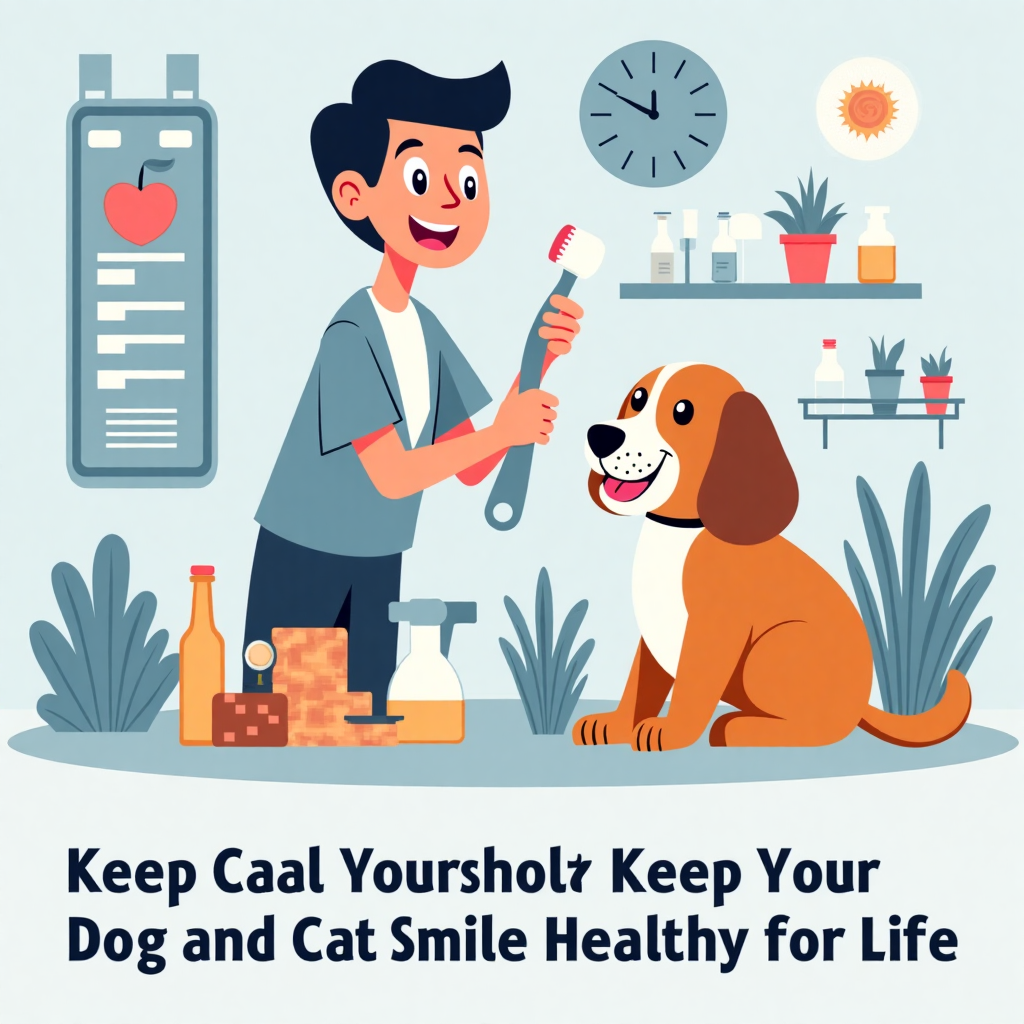
Once your pet is comfortable with finger touch, it is time to introduce the toothbrush or finger brush. Let your pet sniff and inspect the brush first. Apply a small amount of toothpaste to the bristles and let them lick it off. This creates a positive association.
Next, gently lift the lips and place the brush against the outer surface of the teeth. Use a slow, circular motion on just a few teeth at first. Do not attempt to open your pet’s mouth fully. Most plaque accumulates on the outside of the teeth, so brushing the outer surfaces is sufficient. Reward your pet generously after each short session.
Full Brushing Routine (Day 15+)
By the third week, your pet should be ready for a more complete routine. Aim to brush for 30 to 60 seconds total. Focus on the outer surfaces of all teeth, especially the upper back teeth where plaque tends to accumulate. Use a gentle back-and-forth or circular motion at a 45-degree angle to the gumline. Finish with a reward, whether it is a dental treat, playtime, or affection.
Ideally, brush your pet’s teeth every day. If that is not possible, brushing three to four times a week is still beneficial. The most important factor is consistency. The routine should become a predictable part of your day, just like feeding or walking.
Choosing the Right Dental Products
With so many pet dental products on the market, it can be overwhelming to know what to choose. Here is a breakdown of the essentials:
Toothbrushes and Finger Brushes
A soft-bristled brush designed for pets is ideal. Some brushes have long handles for better reach, while finger brushes slip over your fingertip for greater control. For small dogs and cats, a finger brush or a child-sized soft toothbrush works well. For larger dogs, a brush with a longer handle allows you to reach the back molars comfortably.
Pet-Safe Toothpaste
Always use toothpaste formulated specifically for pets. Never use human toothpaste, baking soda, or salt, which can upset your pet’s stomach or be toxic. Enzymatic toothpastes are particularly effective because they contain enzymes that help break down plaque even if some areas are missed during brushing. Common flavors include poultry, beef, vanilla, and seafood.
Chews, Treats, and Toys
Look for dental products that carry the VOHC seal of acceptance. This seal indicates that the product has been tested and proven to reduce plaque or tartar. Dental chews, rawhide alternatives, and specially designed rubber toys can all help. Always supervise your pet when they are chewing to prevent choking or intestinal blockages. Choose chews that are appropriate for your pet’s size and chewing style.
Daily Dental Routine for Dogs vs. Cats
Dogs and cats have different needs and temperaments. While the core principles of dental care are the same, the approach may need to be adjusted.
Daily Routine for Dogs
- Brush teeth with dog-specific enzymatic toothpaste using a soft brush.
- Offer a VOHC-approved dental chew after brushing or at a separate time.
- Add a dental water additive to the water bowl if recommended by your vet.
- Inspect the mouth for any signs of redness, broken teeth, or debris.
- Include dental-friendly toys in rotation, such as rubber chew toys with nubs.
Dogs are often more tolerant of brushing than cats, especially if started at a young age. For adult dogs new to the routine, use high-value treats and patience. Some dogs may prefer a finger brush over a long-handled brush initially. As your dog becomes comfortable, you can transition to a longer brush for better reach.
Daily Routine for Cats
- Use a finger brush or small cat-specific toothbrush with cat toothpaste.
- Focus on the outer surfaces of the teeth where plaque builds up most.
- Offer a dental treat or dental kibble designed for cats.
- Use dental wipes if your cat refuses a brush.
- Provide dental toys, such as silvervine sticks or textured chew toys.
Cats can be more challenging when it comes to dental care. They are less likely to tolerate restraint, so a slow, positive introduction is critical. Many cats respond well to being wrapped in a towel or held gently in a lap. If your cat becomes stressed, stop and try again later. Never force the issue. Dental wipes and rinses can be excellent alternatives for cats that never fully accept a brush.
Recognizing the Signs of Dental Disease
Even with a solid daily routine, it is important to monitor your pet for signs of dental problems. Early intervention can prevent pain and tooth loss. Contact your veterinarian if you notice any of the following:
- Persistent bad breath: A foul odor is often the first sign of dental disease.
- Red or swollen gums: Inflammation is a key indicator of gingivitis.
- Bleeding from the mouth or gums: This may occur during chewing or brushing.
- Yellow or brown tartar buildup: Visible tartar means brushing alone will not remove it.
- Loose or missing teeth: Advanced periodontal disease can cause tooth mobility.
- Difficulty eating or chewing: Your pet may drop food, chew on one side, or avoid hard food.
- Pawing at the mouth or face: This can indicate oral pain.
- Swelling under the eyes or on the face: This may signal a tooth root abscess.
If your pet shows any of these signs, schedule a veterinary dental examination. Professional cleaning under anesthesia may be necessary to remove tartar below the gumline and address any diseased teeth. After the cleaning, your at-home daily routine becomes even more important to maintain the results.
Common Myths About Pet Dental Care
Many misconceptions prevent pet owners from establishing a daily dental routine. Let’s address some of the most common myths:
- Myth: Dry food cleans the teeth. While some dental diets are specially formulated to reduce plaque, ordinary dry food does not effectively clean the teeth. Most pets swallow kibble without much chewing, and the food often crumbles too quickly to provide abrasive action.
- Myth: Bad breath is normal for pets. While pets’ breath may not smell like mint, persistent foul odor is a sign of dental disease or another underlying health issue. A healthy mouth should not smell offensive.
- Myth: Bones are good for dental health. Natural bones can fracture teeth and cause serious gastrointestinal injuries. Cooked bones are especially dangerous because they can splinter. Stick to VOHC-approved dental chews and toys.
- Myth: Pets will let you know if their teeth hurt. Animals are masters at hiding pain. By the time a pet shows obvious signs of discomfort, the dental disease is often advanced. Daily inspections and regular vet checkups are essential.
- Myth: Brushing once a week is enough. Plaque forms within hours and hardens into tartar within days. Brushing once a week is better than nothing, but daily brushing is the gold standard. Aim for at least every other day if daily is not possible.
Frequently Asked Questions
How long does it take for a pet to get used to dental care?
Most pets can become comfortable with a daily dental routine within two to four weeks if introduced gradually. Some pets may take longer, especially older animals or those with past negative experiences. The key is to move at your pet’s pace and always keep the experience positive.
Can I use human toothpaste for my pet?
No. Human toothpaste contains ingredients such as fluoride and xylitol that are toxic to pets. It also foams, which can be unpleasant for animals. Always use toothpaste specifically formulated for dogs or cats.
What if my pet absolutely refuses to let me brush their teeth?
Do not force it. Focus on alternative methods such as dental wipes, rinses, water additives, and VOHC-approved dental chews. You can also ask your veterinarian about dental gels that can be applied to the gumline. Even if you cannot brush, these tools can still help reduce plaque and bacteria.
How often should my pet have a professional dental cleaning?
Most pets benefit from a professional dental cleaning once a year, but this depends on their age, breed, and individual dental health. Small breed dogs and cats are more prone to dental disease and may need more frequent cleanings. Your veterinarian can recommend an appropriate schedule based on an oral examination.
Are dental treats safe for every pet?
Dental treats are generally safe, but you should always choose treats appropriate for your pet’s size and supervise chewing. Pets with certain health conditions, such as pancreatitis or food allergies, may need to avoid certain treats. Consult your veterinarian if you are unsure.
Building a Sustainable Daily Routine
Creating a daily dental care routine is easier when it becomes a habit. Tie brushing to an existing routine, such as after your morning coffee or before your pet’s evening meal. Keep dental supplies in a convenient location where you will see them regularly. Use a calendar or phone reminder until the routine becomes automatic.
Make the experience positive for both you and your pet. Use a calm, cheerful voice, offer rewards, and never punish your pet for resisting. Some days will go better than others. If your pet is having a bad day, do a shorter session and try again tomorrow. The goal is progress, not perfection.
Involve all family members in the routine. Consistency is important, so make sure everyone knows the steps and uses the same products. Older children can help by handing you supplies or offering treats, but an adult should handle the brushing. This shared responsibility helps ensure the routine is maintained even on busy days.
Conclusion
A pet dental care daily routine is one of the most impactful ways to protect your furry friend’s health and quality of life. By combining regular tooth brushing with dental chews, water additives, and daily mouth inspections, you can significantly reduce the risk of periodontal disease and its systemic complications. The key is to start slowly, be consistent, and choose products that are safe and effective for your pet.
Remember that dental care is not a one-time event. It is a lifelong commitment that pays off in fewer vet visits, less pain for your pet, and a healthier, happier companion. Even if you are just beginning, it is never too late to start. Your pet’s smile—and their overall well-being—will thank you for years to come.