Bringing home a new kitten or puppy is one of the most exciting milestones in a pet lover’s life. Those early weeks are filled with adorable firsts, tiny paws exploring every corner, and a bond that grows stronger by the day. However, behind all the cuteness lies a critical developmental period that will shape your pet’s personality, confidence, and behavior for years to come. A well-planned kitten and puppy socialization guide is not just a luxury for dedicated trainers; it is an essential roadmap for every responsible pet parent who wants a calm, friendly, and adaptable companion. Socialization is the process of safely introducing your young pet to new people, animals, environments, sounds, and experiences. When done correctly, it prevents fear, anxiety, and aggression later in life.
Many pet owners mistakenly believe that socialization simply means letting a puppy play with other dogs or allowing a kitten to roam freely around the house. In reality, effective socialization is far more intentional. It involves careful observation, positive reinforcement, gradual exposure, and respect for your pet’s individual pace. Rushing the process or overwhelming a young animal can backfire, creating the very fears you are trying to avoid. This guide will walk you through every stage of socialization for both kittens and puppies, offering practical tips, structured checklists, and common mistakes to avoid. By following these steps, you will help your new furry family member grow into a well-adjusted adult pet who approaches the world with curiosity instead of fear.
Whether you are raising a playful Golden Retriever puppy or a shy rescue kitten, the principles of positive socialization remain the same. The goal is not to force your pet into uncomfortable situations, but to create positive associations with the world around them. With patience, consistency, and the right techniques, you can unlock your pet’s full potential and enjoy a lifetime of shared adventures, relaxed vet visits, and joyful interactions with new people and animals.
Why Socialization Is Essential for Kittens and Puppies
The first few months of a pet’s life are often called the “critical socialization window.” For puppies, this window typically runs from about three to sixteen weeks of age. For kittens, the most sensitive period is even shorter, usually between two and nine weeks. During this time, their brains are like sponges, rapidly forming associations that will influence how they react to the world as adults. Positive experiences during this window build neural pathways that promote confidence and sociability. Negative or absent experiences can create lasting fear, avoidance, and even aggression. This is why early socialization is so powerful: it can literally shape the architecture of your pet’s brain.
Without proper socialization, a puppy may grow up to be afraid of strangers, reactive toward other dogs, or terrified of everyday sounds like vacuum cleaners and traffic. An under-socialized kitten may hide from visitors, hiss at new people, or become extremely stressed during car rides and veterinary exams. These behaviors are not signs of a “bad” pet; they are often signs that the animal was never given the chance to learn that the world is safe. A solid kitten and puppy socialization guide helps prevent these problems by giving you a structured approach to early education, ensuring your pet develops a healthy emotional baseline.
Socialization also strengthens the bond between you and your pet. When you spend time guiding your kitten or puppy through new experiences, they learn to trust you as a source of comfort and safety. This trust becomes the foundation for all future training and communication. A well-socialized pet is easier to groom, travel with, visit the vet, and include in family activities. Ultimately, socialization is not about perfection; it is about giving your pet the tools to recover quickly from surprises and to adapt to life’s changes with resilience.
Preparing for Socialization Success
Before you start introducing your kitten or puppy to the world, you need to set up the right conditions for success. The most important rule is to keep every experience positive. Use high-value treats, favorite toys, and calm praise to reward brave behavior. For puppies, small pieces of boiled chicken, cheese, or commercial training treats work well. For kittens, try tiny bits of tuna, freeze-dried chicken, or a lick of baby food that is safe for cats. Always introduce new things at a distance or intensity where your pet notices but does not panic. If they show signs of stress, such as cowering, trembling, yawning, licking lips, or trying to hide, you have moved too far too fast. Take a step back and reduce the intensity.
Timing is also crucial. Schedule socialization sessions when your puppy or kitten is well-rested, not overly hungry, and not full of excess energy. Short sessions of five to ten minutes several times a day are far more effective than one long, exhausting session. Young animals become overwhelmed easily, so frequent, gentle exposure is key. Always end sessions on a positive note. If your pet successfully investigates a new object or calmly meets a new person, reward them and then allow them to rest. This builds positive emotional memories without overstimulation.
Finally, consult your veterinarian before exposing your puppy or kitten to unfamiliar animals or public spaces. Puppies need core vaccinations before they are fully protected against diseases like parvovirus, but many vets agree that safe socialization can begin in controlled environments before vaccination is complete. Kittens should be kept indoors until they have received their vaccinations and are healthy. You can still socialize your kitten at home with new sounds, gentle handling, and supervised visits from trusted friends. Always prioritize your pet’s health and safety while balancing their developmental needs.
Kitten Socialization Guide
Kittens may seem independent, but they need just as much intentional socialization as puppies. The goal is to help them become cats who enjoy human interaction, tolerate handling, and feel confident in their environment. Begin with simple daily routines and gradually introduce new experiences. The more positive interactions your kitten has during the early weeks, the more likely they will grow into a friendly, relaxed adult cat.
Gentle Handling and Touch
Start by handling your kitten gently every day. Touch their paws, ears, mouth, belly, and tail for just a few seconds at a time. Pair each touch with a small treat or a soothing voice. This teaches your kitten that human hands are safe and pleasant. Gradually increase the duration of handling as your kitten becomes more comfortable. Pay special attention to areas that will be handled during grooming or veterinary exams, such as the paws for nail trims and the mouth for dental checks. If your kitten squirms or pulls away, do not hold them tightly. Instead, release them calmly and try again later with an even shorter touch. The goal is cooperation, not restraint.
Introducing New Sounds and Environments
Kittens can be startled by sudden or unfamiliar sounds. You can help prevent lifelong noise sensitivity by exposing your kitten to a variety of sounds at low volume. Play recordings of vacuums, doorbells, traffic, thunder, and children playing. Start with the volume very low while your kitten is relaxed or eating. Gradually increase the volume over several days. You can also introduce your kitten to different rooms in your home, including the kitchen, bathroom, and laundry room. Allow them to explore at their own pace. Place a favorite blanket or bed in each area so they associate new spaces with comfort. Never force your kitten into a space they are not ready to explore.
Meeting New People
Invite calm, kitten-friendly friends to your home for short visits. Ask visitors to sit on the floor and allow the kitten to approach them rather than reaching for the kitten. Have visitors offer treats or use a wand toy to create a positive association. Let your kitten hide if they want to; a hiding kitten is not being stubborn, they are simply processing the new experience. Over time, most kittens will become curious and venture out. If your kitten does not want to interact, that is okay. Simply continue with low-pressure visits and reward any small sign of bravery, such as peeking out from behind furniture or sniffing a visitor’s hand.
Safe Introductions to Other Pets
If you have other cats or a calm dog, introductions should be gradual and controlled. Keep the new kitten in a separate room for the first few days, allowing them to acclimate to the new home. Exchange bedding between pets so they can become familiar with each other’s scent. For cat-to-cat introductions, use a baby gate or a cracked door so they can see each other without full contact. Feed both cats treats on opposite sides of the barrier to build positive associations. For dogs, keep your dog on a leash and reward calm behavior around the kitten. Never leave a new kitten unsupervised with a dog until you are confident in their relationship. Patience is essential; some pets bond within days, while others need weeks or even months.
Puppy Socialization Guide
Puppy socialization is often more visible because puppies are taken on walks and to training classes, but it requires the same thoughtful structure as kitten socialization. A well-socialized puppy grows into a dog who is comfortable in a variety of settings, not just the living room. The key is to expose your puppy to the world in a way that builds confidence without overwhelming them.
Handling and Grooming Basics
Just like kittens, puppies need to learn that being touched is a positive experience. Gently handle your puppy’s paws, ears, tail, mouth, and around their collar. Practice looking in their ears, lifting their lips to see their teeth, and touching between their toes. Pair each touch with a treat. This will make future nail trims, ear cleanings, and vet exams much less stressful. Introduce grooming tools slowly. Let your puppy sniff the brush or nail clippers before using them. Touch the tool to their body without actually grooming at first, then reward. Over several sessions, work up to short grooming moments followed by playtime or a special chew.
Exposure to Different Environments
Puppies need to experience a wide range of environments, but safety comes first. Before vaccinations are complete, carry your puppy or use a stroller to explore your neighborhood, a pet-friendly store, or a park. Let them see, hear, and smell the world from the safety of your arms. Once your vet gives the green light, you can start short walks on different surfaces such as grass, concrete, gravel, and sand. Allow your puppy to investigate at their own pace. Take them to different locations like the vet’s office just to say hello and get a treat, the groomer for a quick happy visit, or a friend’s house for a change of scenery. Each new place is an opportunity to build confidence.
Meeting New People and Dogs
Socializing your puppy with people and other dogs is a cornerstone of good behavior. Introduce your puppy to a variety of people, including men, women, children, people in hats, people with beards, and people using wheelchairs or canes. Always ask strangers to let the puppy approach them rather than rushing toward the puppy. Have them offer treats gently. For other dogs, choose calm, vaccinated adult dogs or well-matched puppies for play dates. Avoid overwhelming dog parks during the early socialization period, as the chaotic energy can be too intense. Instead, arrange one-on-one play sessions in a fenced yard. Watch your puppy’s body language. Play should be reciprocal, with both dogs taking breaks. If your puppy seems scared, remove them calmly and try a less intense interaction later.
Leash, Car, and Alone Time Training
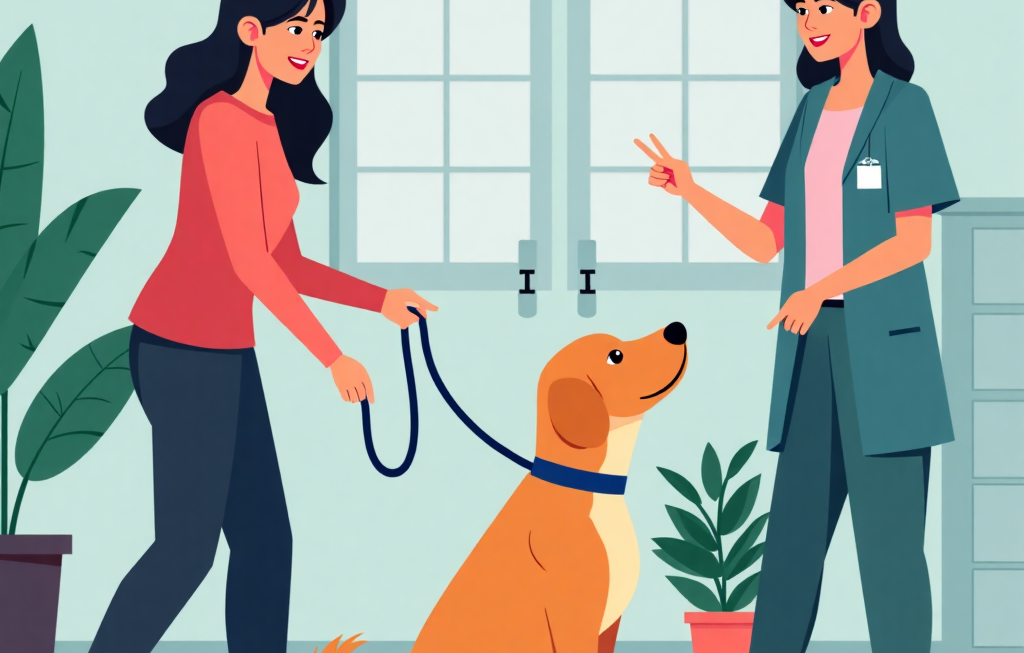
Part of socialization is learning to cope with everyday life situations. Introduce the leash and collar or harness indoors first, letting your puppy wear them for short periods while receiving treats. Then practice walking around the house before heading outside. This prevents the frustration of a puppy who is suddenly expected to understand leash pressure while distracted by the outdoors. For car rides, start by sitting in the parked car with your puppy and giving treats. Then take short drives around the block, gradually increasing the distance. Always secure your puppy safely in a crate or crash-tested harness. Alone time training is also part of socialization, as it builds independence and prevents separation anxiety. Leave your puppy in a safe area with a stuffed toy or chew for a few minutes, then return calmly. Gradually increase the duration. This teaches your puppy that being alone is safe and temporary.
A Practical Socialization Checklist
Using a checklist can help you stay consistent and ensure you are covering all the important categories of socialization. Here is a practical list you can use as a starting point for both kittens and puppies:
- Different people: babies, toddlers, older children, men, women, elderly people, people with hats, sunglasses, uniforms, and different ethnicities.
- Handling exercises: paws, ears, mouth, tail, belly, grooming tools, collar or harness, vet-style examinations.
- Household sounds: vacuum cleaner, dishwasher, washing machine, doorbell, hair dryer, kitchen appliances, television.
- Outdoor sounds: traffic, sirens, construction, barking dogs, birds, wind, thunder, fireworks recordings.
- Surfaces: carpet, tile, hardwood, grass, concrete, gravel, sand, metal grates, wet ground.
- Environments: living room, kitchen, bathroom, garage, car, vet clinic, pet store, friend’s house, park.
- Other animals: calm adult dogs, other kittens or puppies, cats, small pets viewed from a distance, livestock if accessible.
- Equipment: collar, harness, leash, crate, carrier, grooming brush, nail clippers, toothbrush.
- Travel: short car rides, entering and exiting the car, waiting at a stoplight, drive-through, quiet parking lot.
- Being alone: short periods in a crate or safe room, gradual independence training, calm departures and arrivals.
Mark off each item as your pet has a positive experience. Do not feel rushed to complete the list by a certain date. Every pet is different, and the goal is quality of experiences, not just quantity. If an item causes stress, break it down into smaller steps and try again later. Celebrate every small success with your kitten or puppy.
Common Socialization Mistakes to Avoid
Even well-meaning pet owners can make mistakes during socialization. One of the biggest mistakes is flooding, which means exposing a young pet to too much too soon. Forcing a shy puppy into a busy crowd or making a frightened kitten stay in a loud room can cause a permanent negative association. Socialization should always be gradual and based on the pet’s comfort level. Another common mistake is failing to pair new experiences with something positive. Simply exposing a pet to a scary stimulus without treats or play can reinforce the fear. Always ask yourself, “Is my pet learning that this is safe, or are they just tolerating it?” If they are just tolerating it, you need to make the experience easier and more rewarding.
Avoid the temptation to punish fear. Scolding a puppy for barking at a strange object or forcing a kitten to come out from under the bed will only increase their anxiety. Fear is an emotional response, not a behavior problem to be corrected. Instead of punishment, use distance and treats to change the emotional association. It is also a mistake to skip socialization because you think your pet is “naturally friendly” or “too young to learn.” Even friendly puppies and kittens need structured exposure to the world. Natural temperament can be helpful, but it does not replace the learning that comes from positive experiences. Similarly, waiting until after the critical window closes makes socialization harder, though it is still possible with more time and patience.
Finally, be careful not to compare your pet’s progress to others. Some puppies bound confidently into new situations, while others need days to warm up. Some kittens purr the moment they meet a stranger, while others watch from a distance for weeks. Both responses are normal. The most important thing is to respect your pet’s individual personality and celebrate incremental progress. Socialization is not a race. It is a lifelong practice of building trust and resilience.
Troubleshooting Fearful or Overwhelmed Pets
Even with the best intentions, your kitten or puppy may show signs of fear during socialization. Common signs include trembling, hiding, excessive yawning, lip licking, tucked tails, flattened ears, hissing, growling, or trying to escape. When you notice these signs, stop the current activity immediately. Give your pet space and reduce the intensity of the experience. For a puppy, move farther away from the trigger, use a calmer voice, and offer a favorite treat. For a kitten, allow them to retreat to their safe space and do not chase them. The goal is to help your pet regulate their emotions and return to a calm state.
If fear persists, break the experience into smaller steps. For example, if your puppy is afraid of the vacuum cleaner, do not turn it on right next to them. Instead, place the vacuum in the room without turning it on and reward your puppy for looking at it or approaching it. Next, turn it on in another room while giving treats. Gradually move it closer over several sessions. For a kitten frightened by visitors, have the visitor sit quietly and toss treats from a distance without making eye contact. Let the kitten approach when ready. Patience and creativity are your best tools.
In some cases, professional help may be needed. If your pet shows extreme fear, aggression, or if you feel stuck, contact a certified animal behavior consultant or a veterinary behaviorist. They can create a customized desensitization and counterconditioning plan. Never ignore severe fear or hope your pet will simply grow out of it. Early intervention is always more effective than waiting until fear becomes a deeply ingrained habit. Remember that asking for help is a sign of responsible pet ownership, not failure.
Building a Lifetime of Confidence
Socialization does not end when your kitten reaches nine weeks or your puppy reaches sixteen weeks. It is a lifelong process. Continue to introduce your adult cat or dog to new experiences in a positive, controlled way. Take your dog on regular outings, invite guests over, and vary your walking routes. For your cat, keep up with gentle handling, provide new toys and environmental enrichment, and make the carrier a comfortable, familiar place. This ongoing practice prevents regression and keeps your pet flexible and confident as they age.
Incorporating socialization into your daily routine is easier than you might think. A quick grooming session while the coffee brews, a short car ride to pick up the kids, a five-minute training game with a new sound playing in the background—these small moments add up. The strongest socialization is not a single class or event; it is the accumulation of hundreds of positive, everyday experiences that teach your pet the world is a safe and interesting place. With consistency, your kitten or puppy will grow into the calm, friendly companion you have always wanted.
Conclusion
Raising a confident, well-adjusted kitten or puppy takes time, patience, and intentional effort. A thoughtful kitten and puppy socialization guide gives you the structure you need to navigate this critical developmental period successfully. By focusing on positive experiences, respecting your pet’s individual pace, and exposing them gradually to the world around them, you lay the foundation for a lifetime of trust and good behavior. Socialization is one of the greatest gifts you can give your new pet. It opens the door to stress-free vet visits, joyful playdates, calm travels, and a deep, unshakeable bond. Start early, stay consistent, and enjoy every small victory along the way.
Remember that every gentle touch, every new sound, and every calm introduction is an investment in your pet’s future. Your kitten or puppy is not just learning to be social; they are learning that you are their safe place in a big, busy world. With the right approach, you can help them grow into an adult pet who approaches life with curiosity and confidence. Trust the process, celebrate progress, and never underestimate the power of patience and positivity.